Impact Factor
Call For Paper
Volume 12 Issue 10
October 2026
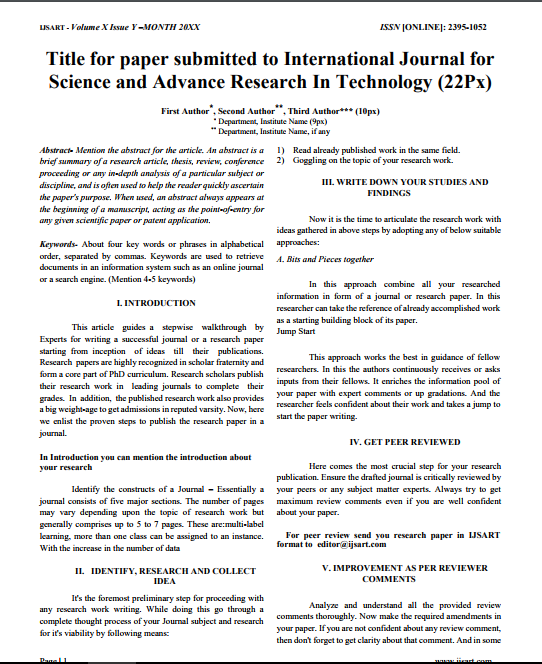
Download Paper Format
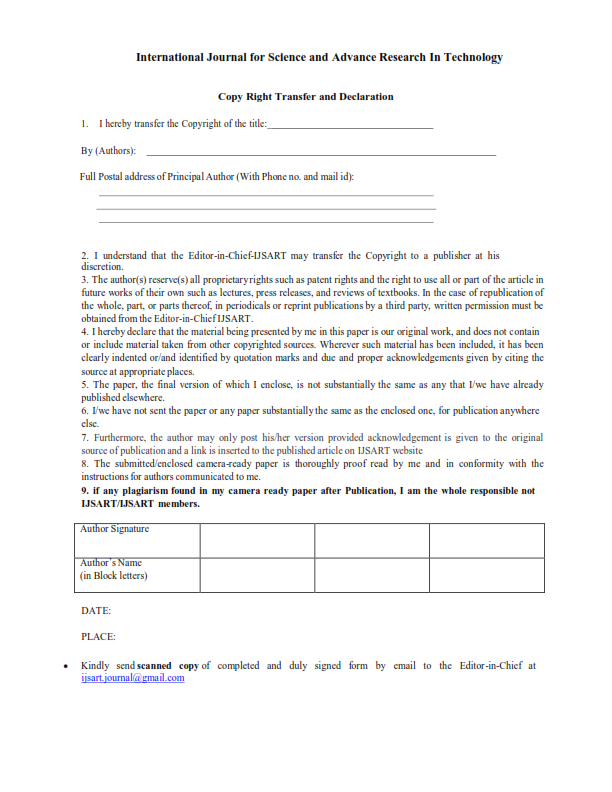
Copyright Form

Author(s)
Abstract
The Construction Industry’s Rapid Expansion Is Driving An Unsustainable Increase In Global Cement Production, Currently Exceeding 1.6 Billion Tons Annually. This Demand Not Only Depletes Natural Resources But Also Results In Significant Environmental Degradation Due To The Emission Of Greenhouse Gases, Including CO2, SO2, And NOX. To Address These Concerns, This Study Explores The Utilization Of Industrial Byproducts Specifically Cenospheres And Dolomite Powder As Sustainable Additives In Concrete Manufacturing. Cenospheres, Lightweight Hollow Spheres Derived From Coal Combustion, Were Utilized To Reduce The Unit Weight Of The Concrete, While Dolomite Powder Was Introduced As A Mineral-rich Cementitious Material To Enhance Mechanical Performance. This Research Investigates The Mechanical And Physical Properties Of M-30 Grade Concrete Through A Series Of Partial Replacements. The Experimental Program Evaluates Varying Proportions Of Dolomite Powder (0, 10, 20 And 30% By Weight Of Cement) In Combination With Cenospheres (0, 2, 4, And 6% By Weight). The Study Provides A Detailed Experimental Analysis Of Compressive, Flexural, And Split Tensile Strength At 7, 14, And 28 Days Of Curing. Preliminary Results Aim To Determine The Optimal Synergy Between These Materials To Produce A Structural-grade Lightweight Concrete That Minimizes Environmental Impact Without Compromising Mechanical Integrity. This Research Contributes To The Development Of Circular-economy-based Construction Materials, Offering A Viable Pathway For Reducing The Carbon Footprint Of Structural Infrastructure.
Keywords
Paper ID
IJSARTV12I7105758
Publication Date
July 8, 2026
Research Area
Civil Engineering