Impact Factor
Call For Paper
Volume 12 Issue 10
October 2026
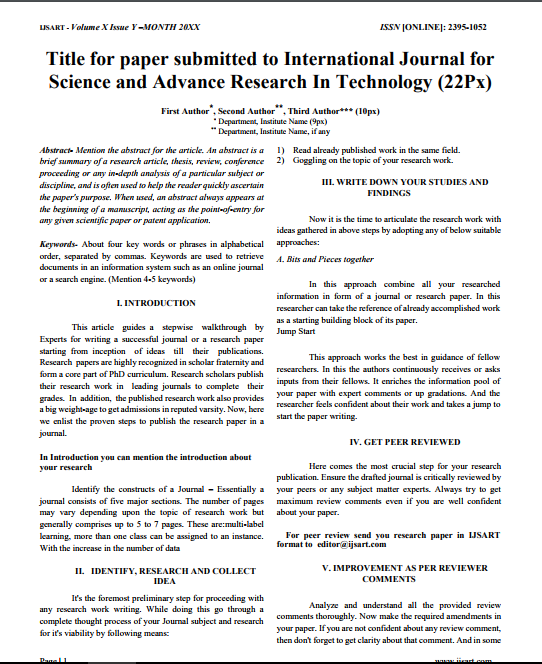
Download Paper Format
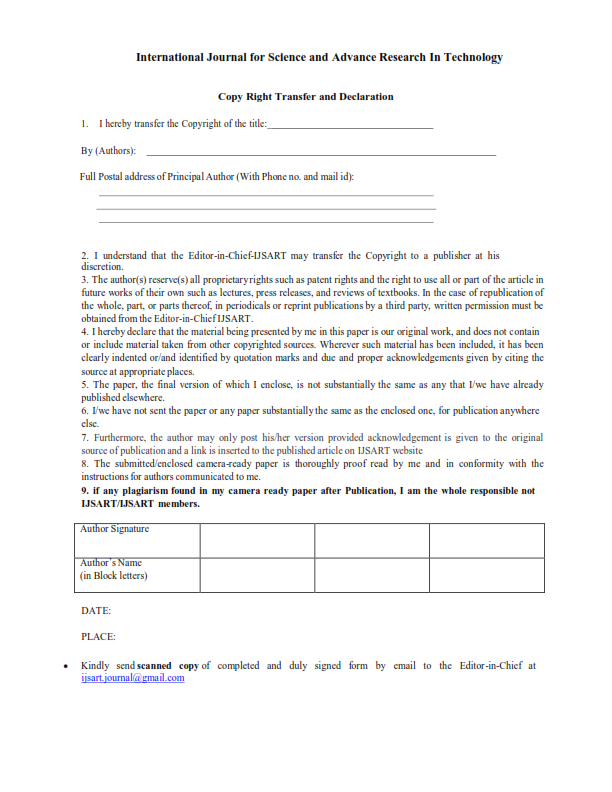
Copyright Form

Author(s)
Abstract
The History Of Indian Railways Dates Back More Than 160 Years. The First Passenger Train Ran Between Bori Bunder (Bombay) And Thane, A Distance Of 34 Kilometres, On April 16, 1853. It Had Thirteen Carriages And Was Operated By Three Locomotives Named Sahib, Sultan, And Sindh. Railways Were Used To Transport Both Passengers And Goods. After A Few Years, As The Population Grew, So Did The Demand For Goods. The Newly Arrived Trains At A Higher Speed Were Also Running On The Same Tracks, So The Construction Of A Bullet Train Can Be Said To Be Necessary Despite Prosperity Because It Includes Transportation Of Passengers On Its Own Individual Track And Also Consumes Less Time In Journey With Moderate Ticket Prices One Of The Most Significant Tools For Project Planning And Management Is The Critical Path Method (CPM), As Well As The Project Evaluation And Review Technique (PERT). When The Time Required Or Anticipated To Perform Specific Activities Is Unclear, PERT Is A Project Management Method. CPM Is A Method For Planning Activities In Which The Amount Of Time Required To Accomplish The Project Is Presently Known. CPM Is A Step-by-step Project Management Strategy That Keeps Processes And Projects On Track By Focusing On Important Tasks. The Critical Route Is The Shortest Approach To Finish Any Project By Following One Path Across All Connected Operations. Here A Flyover Bridge Is Considered Where The Scheduling In Compared To Parameters Of Planned And Actual Where The Planning And Scheduling Are Done Using Primavera P6. The Parameters Include Cost Estimation, Delay Analysis And The Reports Are Generated Using Gantt Chart.
Keywords
Paper ID
IJSARTV12I8105820
Publication Date
August 9, 2026
Research Area
CIVIL ENGINEERING