Impact Factor
Call For Paper
Volume 12 Issue 09
September 2026
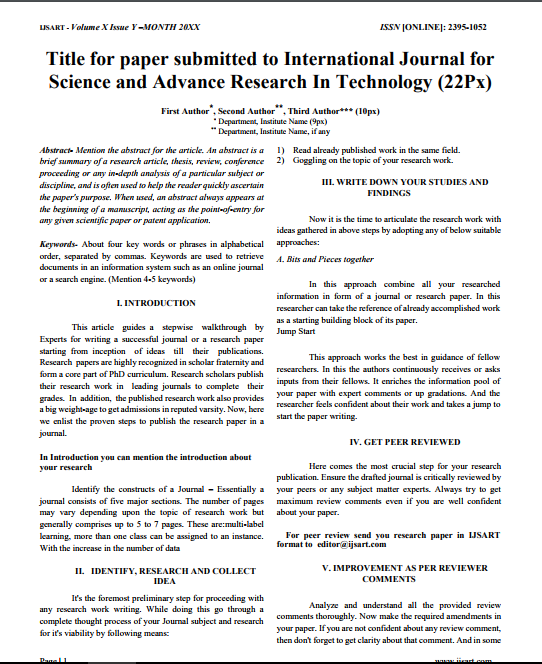
Download Paper Format
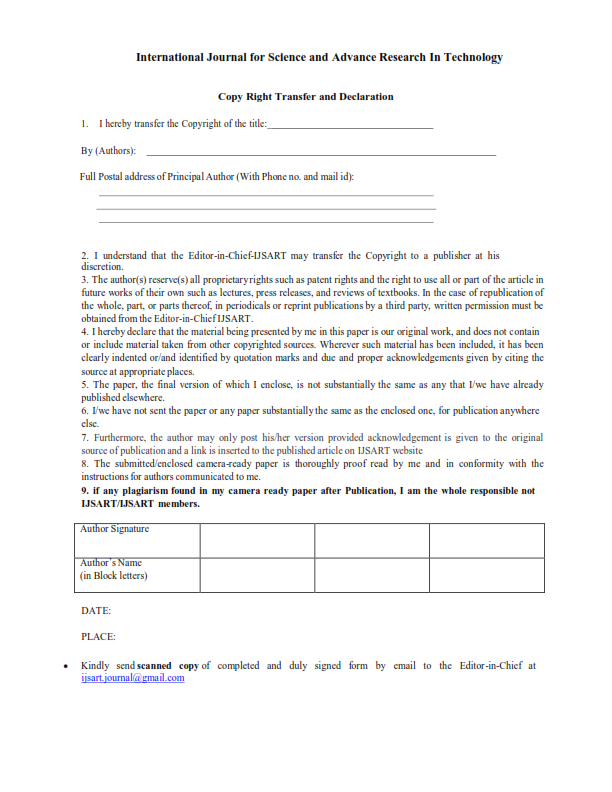
Copyright Form

Author(s)
Abstract
Reference Work Has Shifted From Academic Library Desks, To Email, Web Forms, Live Chat, Video, Text Messaging And Most Recently To AI Chatbots And Generative Systems. Those Channels Offer Assistance Not Just Outside Of Hours, But They Also Alter The Nature Of The Reference Interview, The Nature Of Work Undertaken By Staff, The Expectation Of Accuracy, The Confidentiality Of A Question And Distance Learning. Digital Reference Service Is Discussed In This Paper As A Library And Information Science Problem As A Nexus Of Virtual Reference, AI Chatbots, Emerging Technologies, User Information Need, And The Digital-library Ecosystem. It Was Created Using A Descriptive And Analytical Literature-based Design, Which Synthesized Peer-reviewed LIS Research From 2018 To 2026 With A Focus On 2022-2026 Research In Chatbots And Generative-AI, Along With RUSA And IFLA Professional Guidance. This Literature Indicates A Rising, Albeit Uneven, Rate Of Chatbot Adoption, High Accuracy For Basic Service-related Queries, Lower Accuracy For Complex Research-related Queries, Limited Disclosure Of Privacy, And Lingering Challenges In Infrastructure, Skills, Cost And Trust. The Paper Holds That The AI Technology, To A Certain Extent, Is Not A Replacement For The Role Of The Reference Librarian. It Introduces A New Conceptual Framework, Called The Integrated Digital Reference And Intelligent Library Service Framework (IDR-ILS). It Is Not An Empirically Valid Framework But One That Has Been Developed Through Literature.
Keywords
Paper ID
IJSARTV12I9105913
Publication Date
September 23, 2026
Research Area
Library And Information Science