Impact Factor
Call For Paper
Volume 12 Issue 10
October 2026
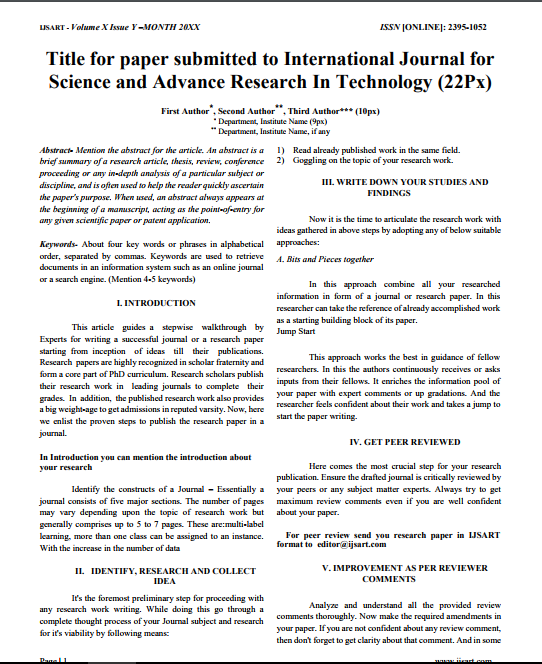
Download Paper Format
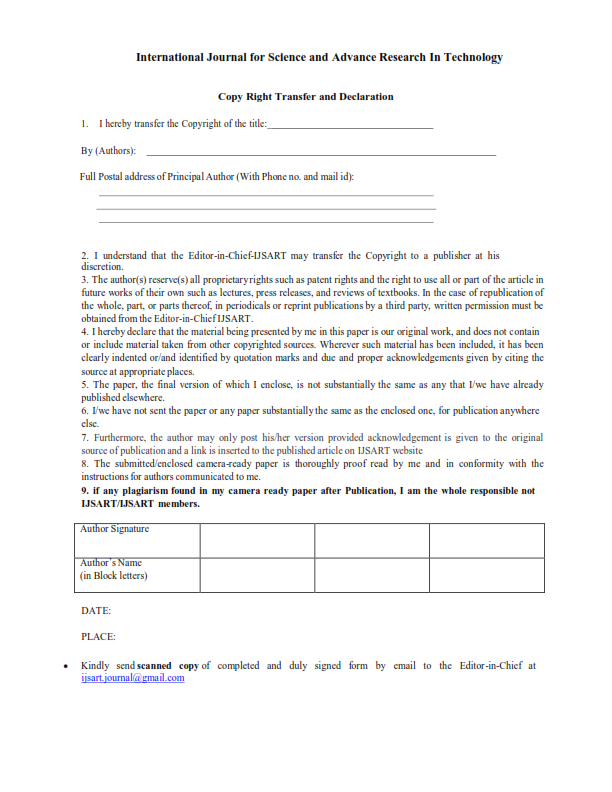
Copyright Form

Author(s)
Abstract
The Dramatic Escalation In Global Urbanization And Infrastructural Modernization Has Placed An Unsustainable Burden On Natural Geological Reserves. Concrete, Being The Structural Backbone Of Modern Civilization, Requires Massive Volumes Of Fine Aggregate To Compose Its Matrix. Traditionally, River Sand Has Been Preferred Due To Its Rounded Morphology, Smooth Grain Texture, And Favorable Geological Grading Curves. However, Unchecked Sand Dredging From Aquatic Zones Has Triggered Severe River Bank Degradation, Ecological Collapse Of River Beds, Drops In Groundwater Tables, And Structural Stability Risks For Adjacent Bridges. In Response, Environmental Protection Boards Globally Have Instituted Aggressive Bans Or Stringent Quota Constraints On Natural Sand Collection, Inducing A Critical Supply Deficit In The Construction Industry. Concurrently, Manufacturing, Metallurgical, And Municipal Entities Face Severe Waste-management Crises Due To Accumulating Non-hazardous By-products. This Project Investigates A Sustainable Concrete By Evaluating The Potential Of Upcycling Three Distinct Heterogeneous Industrial And Municipal Waste Streams—Spent Refractory Ceramics (SRC), Metallurgical Slag (MET), And Crushed Waste Glass (CWG)—as Sustainable Fine Aggregate Sand Substitutes In M30 Structural Concrete. Controlled Replacement Levels Of These Materials Are (0% For The Control Mix, And 15% And 30% For Each Alternative Material). The Present Project Involves A Comprehensive Laboratory Experimentation On Fresh Concrete Workability Profiles And Strength Development Kinetics Like Compressive Strength, Split Tensile Strength And Flexural Strength To Study For The Application Of New Waste Materials In The Preparation Of Concrete.
Keywords
Paper ID
IJSARTV12I6105708
Publication Date
June 20, 2026
Research Area
Civil Engineering