Impact Factor
Call For Paper
Volume 12 Issue 10
October 2026
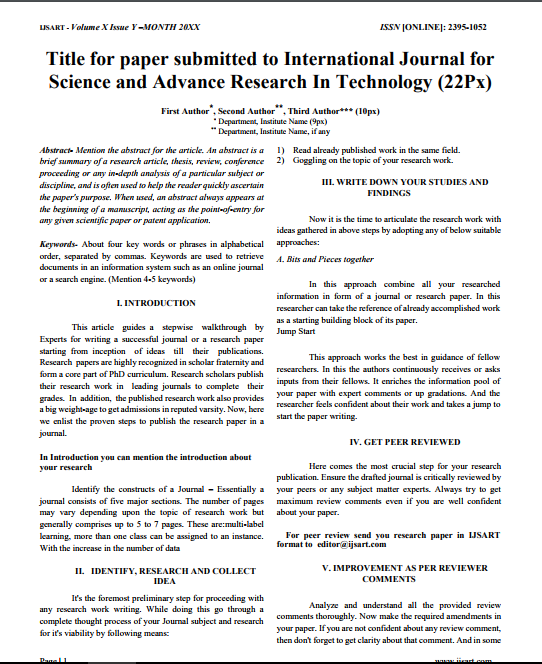
Download Paper Format
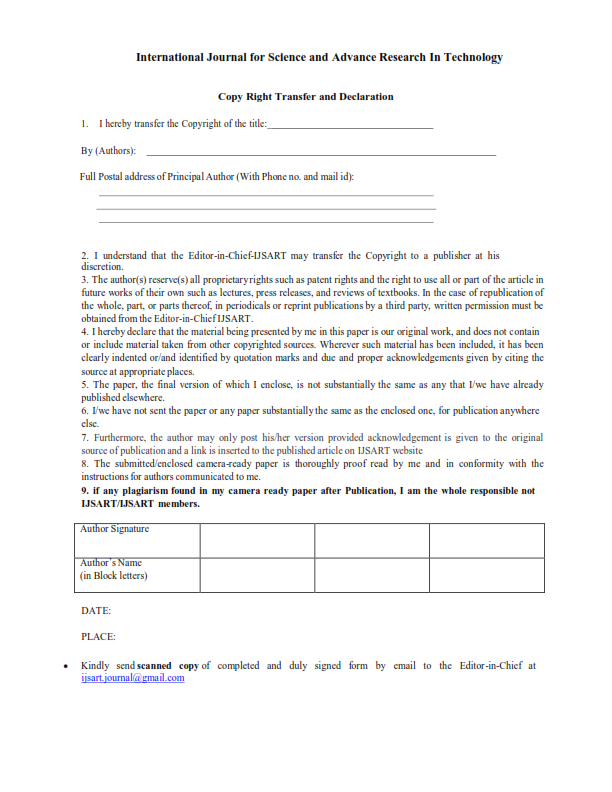
Copyright Form

Author(s)
Abstract
Epilepsy Is A Chronic Neurological Disorder Characterized By Recurrent, Unprovoked Seizures Resulting From Abnormal Electrical Activity In The Brain. Despite The Availability Of Conventional Antiepileptic Drugs, Treatment Limitations Such As Adverse Effects, Drug Resistance, And Drug Interactions Have Prompted The Development Of Newer Anticonvulsant Agents. Recent Advances In Medicinal Chemistry Have Led To The Discovery Of Several Effective Antiepileptic Drugs Including Gabapentin, Lamotrigine, Levetiracetam, Oxcarbazepine, Tiagabine, Topiramate, And Zonisamide. These Agents Exhibit Diverse Mechanisms Of Action And Improved Safety Profiles. This Review Summarizes The Structure–activity Relationship (SAR), Mechanisms Of Action, And Beneficial Therapeutic Effects Of Selected Newer Antiepileptic Drugs. Understanding The Relationship Between Chemical Structure And Pharmacological Activity May Facilitate The Development Of Novel Anticonvulsants With Enhanced Efficacy And Reduced Adverse Effects.
Keywords
Paper ID
IJSARTV12I6105743
Publication Date
June 28, 2026
Research Area
Pharmaceutical Chemistry